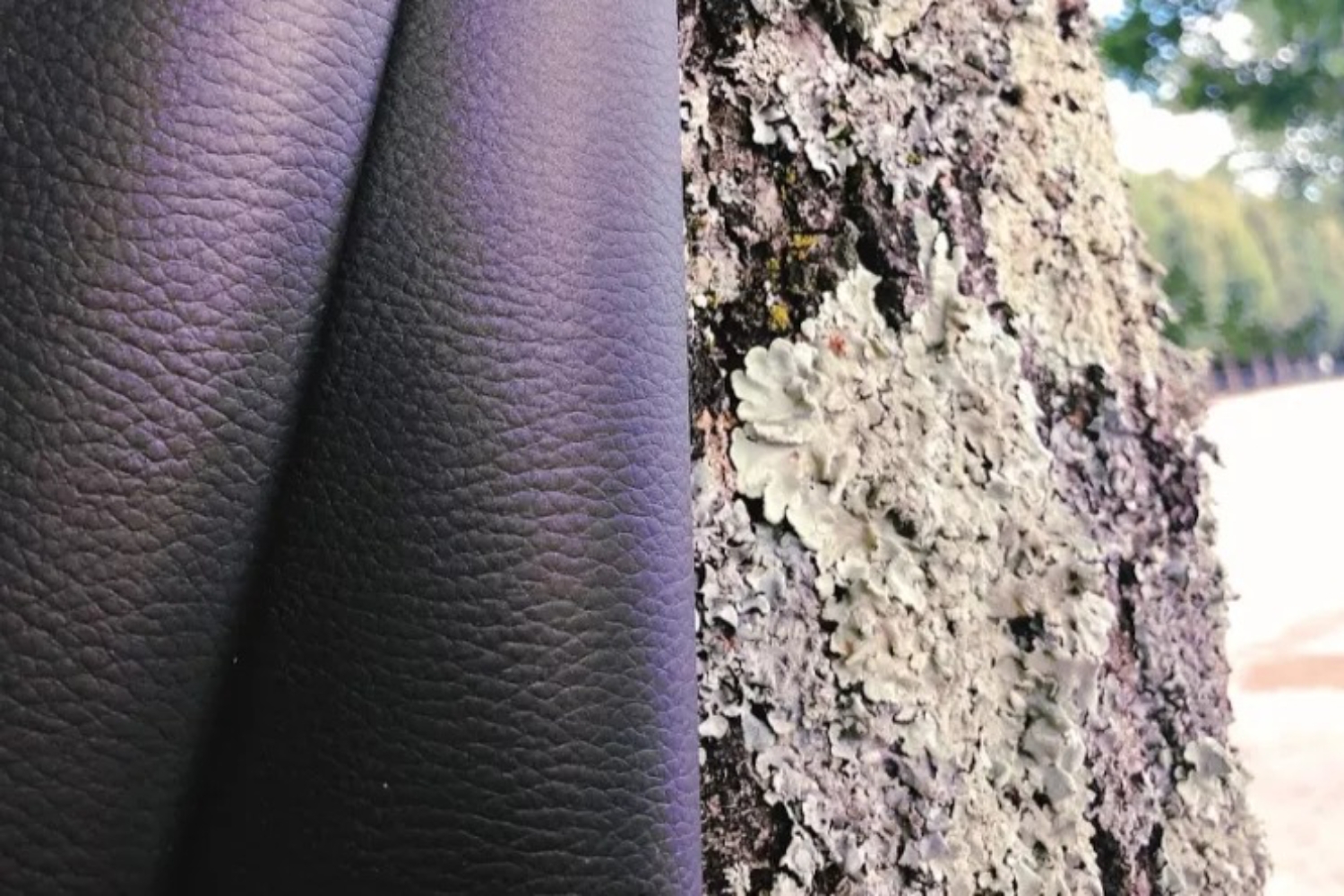
The Ideal Coated Fabric for Marine Upholstery
“Just had my boat cushions redone with this incredible material from Leadcom – and I am a convert for life! Easy to clean, comfortable, durable, and no worries about dreaded staining. With numerous colors and textures to choose from, what’s not to love?”
Leadcom has positioned itself as a leader in marine-grade upholstery coated fabrics, favored by numerous reputable boat builders and loved by users.
But what sets Leadcom silicone-coated fabrics apart from other marine-grade options? Are they truly the best for marine environments?
Let’s delve into a comparison between Leadcom silicone fabrics and other common marine upholstery materials in terms of reliability, ease of care & comfort, and safety.

Common Marine-Coated Fabrics
The most prevalent marine-coated fabrics are vinyl and Leadcom silicone-coated fabrics. We’ll explore their composition, raw materials, and performance characteristics.
Vinyl
Vinyl is a synthetic material where PVC (Polyvinyl chloride) resin is applied to the fabric. PVC is a polar, non-crystalline polymer with strong intermolecular forces, making it inherently hard and brittle. To counteract this, plasticizers are added to enhance its plasticity and flexibility.
PVC boasts flame retardancy, high chemical resistance, and good mechanical strength. However, it suffers from poor stability under light and heat. Without stabilizers, PVC begins decomposing at 100°C and accelerates above 130°C, emitting toxic hydrogen chloride gas during decomposition. Sunlight and oxygen further exacerbate its degradation, leading to brittleness.
Leadcom Silicone-Coated Fabric
Leadcom silicone-coated fabric, another synthetic material, is distinguished by its silicone composition and Leadcom’s expertise in R&D. Silicone, a thermosetting resin, is inherently ductile, eliminating the need for plasticizers. It is one of the most human-friendly compounds, commonly used in baby products and cosmetics.
Silicone’s performance is remarkably stable, offering low surface tension, resistance to extreme temperatures, weather, flames, water, and corrosion.
Comparing Vinyl and Silicone Fabrics in Marine Applications
Reliability
The raw materials significantly influence the performance of coated fabrics. Vinyl is prone to pink staining caused by bacteria in freshwater environments. The plasticizers in vinyl, many of which are harmful, exacerbate this issue. Additionally, vinyl is susceptible to cracking and yellowing.
In contrast, Leadcom silicone-coated fabric is lauded for its weather resistance and longevity, resisting mold and bacterial growth, making it a more reliable choice for marine upholstery.
Ease of Care and Comfort
Ease of care and comfort are paramount for enjoying boat life. Stain resistance and heat management are crucial. Leadcom silicone fabric, with its low surface tension, is naturally stain-resistant and easily cleanable with wipes or bleach.
Vinyl can also be stain-resistant with additives but lacks the inherent properties of silicone.
Safety
Finally, the safety of the materials for human health and the environment is critical. Silicone is highly human-friendly, and Leadcom’s production processes are environmentally conscious, with silicone being recyclable.
In contrast, vinyl’s reliance on harmful plasticizers and the emission of toxic gases at high temperatures pose significant safety concerns.
Leadcom silicone fabric excels in marine environments, thanks to superior raw materials that extend service life and enhance user experience.
For more information or to request samples, please contact us at [email protected].