Choosing PFAS-Free Outdoor Fabrics: Health and Environmental Benefits
The recent discussions at NMMA meetings have underscored the importance of PFAS-free materials in marine fabrics. PFAS, or per- and polyfluoroalkyl substances, are carbon-fluorine compounds known for their stability and hydrophobic properties, making them popular in waterproof textiles.
1. The Problem with PFAS
PFAS are often referred to as “forever chemicals” because they do not easily break down in the environment. This persistence leads to widespread contamination of water sources, soils, and organisms.
- Health Concerns: PFAS leaching into water systems contaminates drinking water and has been linked to various health issues. Studies indicate increased risks of cancer, liver damage, immune system disorders, and developmental problems in children. Effects on the liver include abnormal function and fatty liver disease, while impacts on the immune system can reduce vaccine effectiveness and increase infection risks. Children exposed to PFAS may experience developmental delays and behavioral issues.
- Environmental Impact: PFAS’ ability to bioaccumulate and persist in ecosystems magnifies their impact. These chemicals accumulate in organisms throughout the food chain, affecting wildlife with reproductive issues, impaired immune systems, and behavioral changes. Contaminated soils further spread PFAS to crops, extending human exposure routes.
- Removal Challenges: Even in industrial processes, PFAS removal remains difficult and incomplete, perpetuating environmental pollution.
Given these hazards, regulatory bodies increasingly restrict PFAS use. Initiatives like NMMA’s PFAS-Free initiative highlight the urgency to minimize these risks for safer, sustainable textile practices.
2. Why Choose Leadcom Silicone Fabrics?
Since 2019, Leadcom has pioneered silicone fabrics for the marine outdoor market, accumulating 5 years of practical application experience. These fabrics are extensively used in boat and cruise ship upholstery, distinguished by their waterproof and PFAS-free attributes.
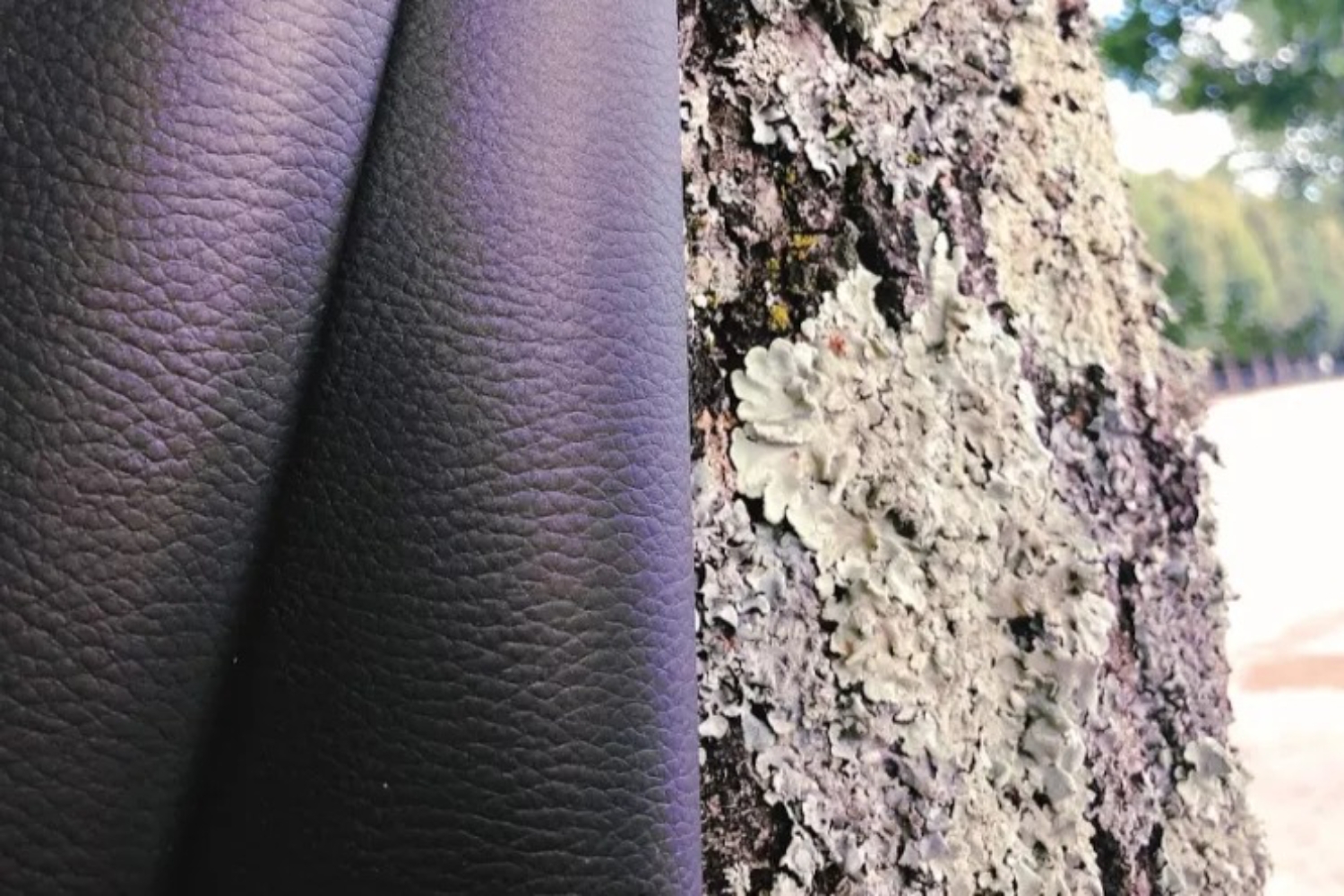
Leadcom’s Capri line features 100% silicone-coated polyester base fabrics tailored for outdoor and marine environments. The inherent hydrophobic properties of silicone ensure waterproofing without additional treatments, offering a sustainable alternative to PFAS-laden materials.
In conclusion, opting for PFAS-free outdoor fabrics, such as Leadcom’s silicone-coated textiles, not only ensures effective waterproofing but also mitigates health and environmental risks associated with PFAS. By embracing these alternatives, industries can promote safer, environmentally responsible practices in textile manufacturing and usage.